
Introduction: The Need for Immediate Communication
In the fast-moving world of finance, a company’s creditworthiness can change in an instant due to a merger, a legal ruling, or a sudden economic shift. While a formal rating change (an upgrade or a downgrade) requires a deep-dive analysis that takes time, the market needs to know immediately when a significant event occurs. To bridge this gap, Credit Rating Agencies (CRAs) use a tool called the Rating Watch.
What is a Rating Watch?
A Rating Watch (often referred to as being “On Watch”) is a public announcement by a CRA indicating that a specific rating is under review and has a strong possibility of being changed in the near term. As explained in Decoding Credit Rating, it signifies that a “material event” has occurred, but the agency requires more data or the finalization of an event before making a definitive decision on the new rating.
The Three Types of Rating Watch
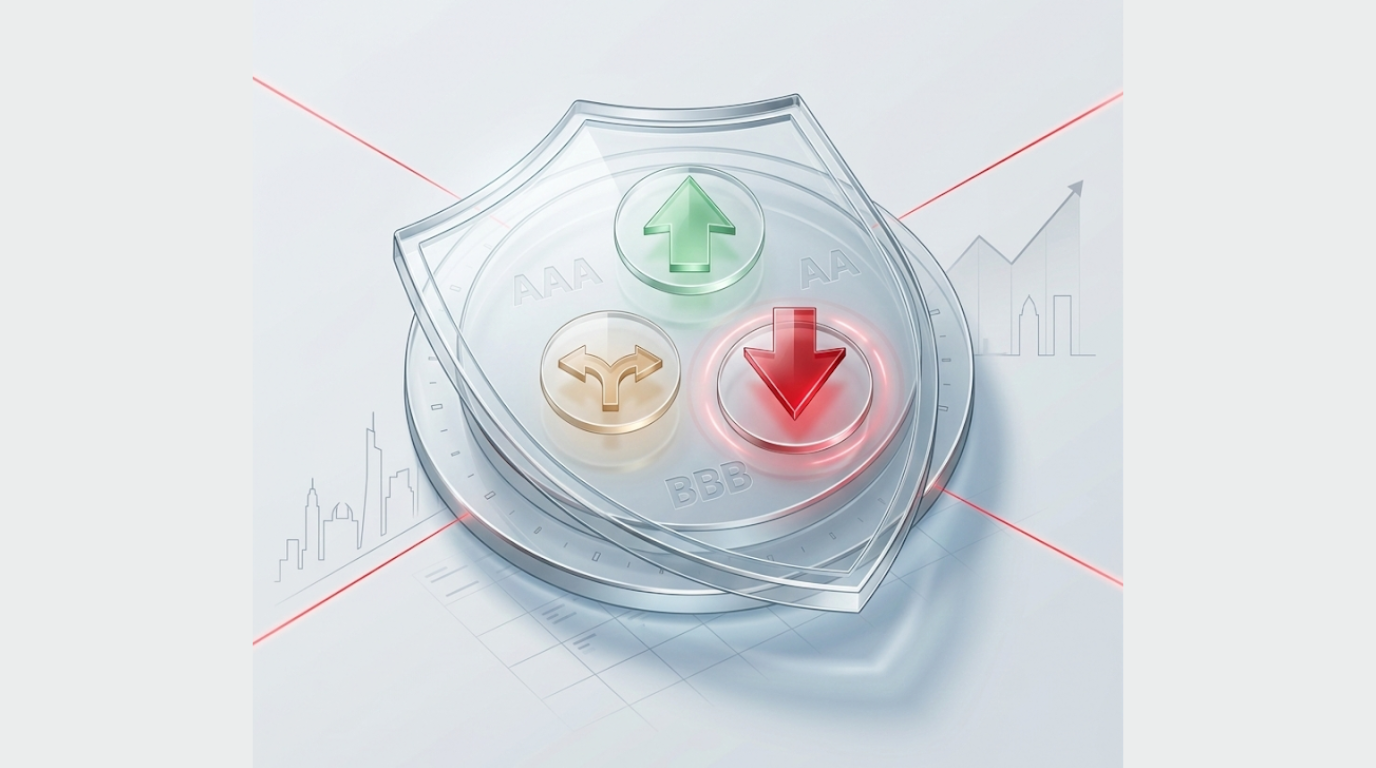
When a company is placed on watch, it is always accompanied by an “implication.” These categories help investors understand the likely direction of the change:
1. Rating Watch with Positive Implications
This indicates that the rating is likely to be upgraded.
- Typical Trigger: A company being acquired by a much stronger parent firm, or receiving a massive, unexpected capital infusion that improves its debt-paying ability.
- Investor Takeaway: This is a sign of decreasing risk. The company’s credit profile is expected to improve soon.
2. Rating Watch with Negative Implications
This indicates that the rating is likely to be downgraded.
- Typical Trigger: A sudden legal penalty, the loss of a major client, a failed merger, or a sharp decline in industry demand.
- Investor Takeaway: This serves as a “Red Alert.” It warns lenders that the company’s risk level has increased and a score drop is imminent.
3. Rating Watch with Developing Implications
This is used when the outcome is uncertain. The rating could go up, go down, or stay the same.
- Typical Trigger: Usually seen during complex corporate restructurings, de-mergers, or pending regulatory approvals where the final impact on the balance sheet is not yet clear.
- Investor Takeaway: This signals a “Wait and See” approach. The agency is acknowledging a major change but admits the net effect is currently unpredictable.
Duration and Resolution
A Rating Watch is a temporary status. Under SEBI guidelines and internal protocols, a watch is typically resolved within 30 to 90 days. Once the “event” (like a merger) is finalized or the required data is analyzed, the agency will:
- Change the rating (Upgrade or Downgrade).
- Reaffirm the rating and remove it from the watch.
Rating Watch vs. Rating Outlook
It is important for investors to distinguish between these two terms:
- Rating Outlook: A long-term view (usually 1–2 years) on the likely direction of a rating.
- Rating Watch: A short-term, immediate reaction to a specific, significant event.
Conclusion
The “Rating Watch” is a critical signal in the Indian financial market. It acts as the agency’s way of saying, “Something significant has happened, and we are evaluating the impact.” By monitoring whether implications are Positive, Negative, or Developing, stakeholders can make proactive decisions to protect their capital or identify new investment opportunities.
