
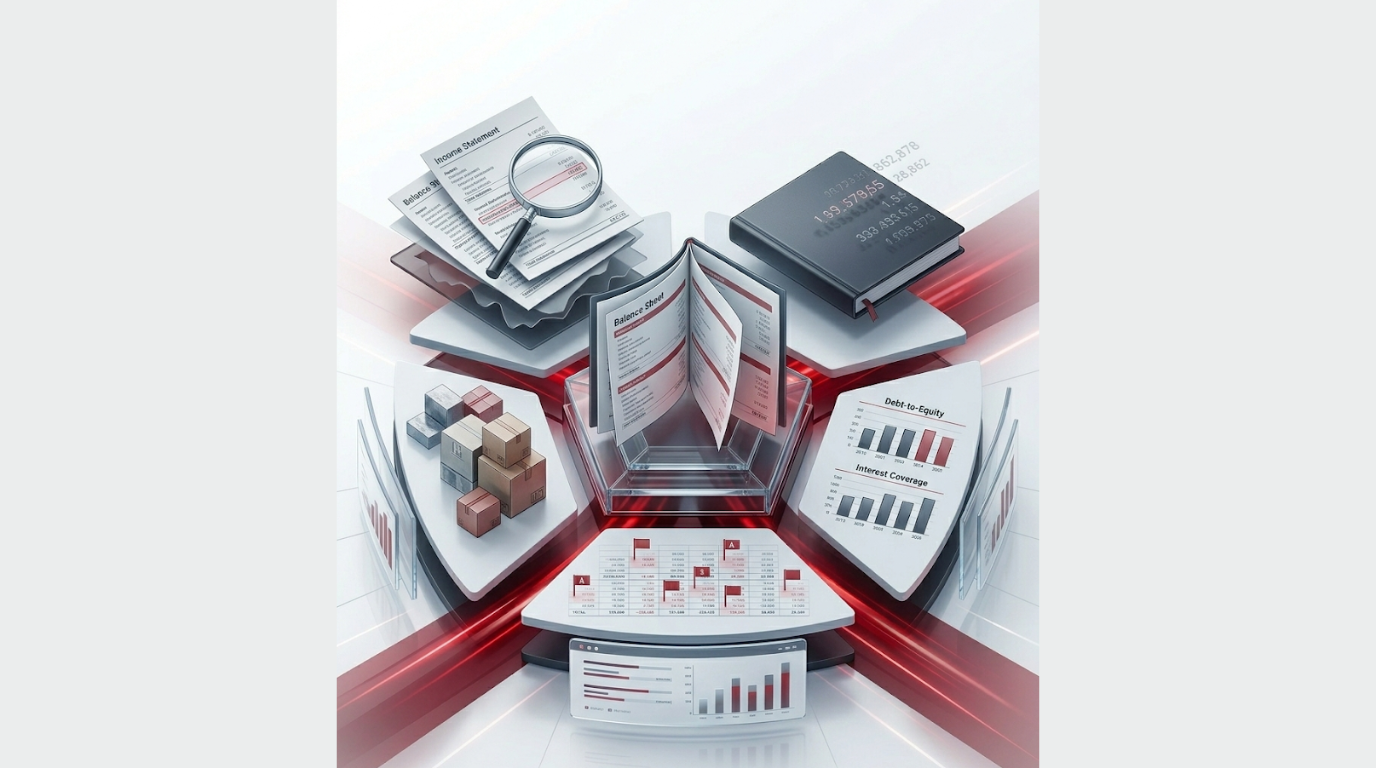
While a company’s business model and management integrity provide the context, the Financial Risk Analysis provides the “hard evidence” of its ability to repay debt. Credit Rating Agencies (CRAs) do not simply look at the final profit figure; they perform a deep-dive “forensic” style audit of the financial statements to ensure the numbers reflect reality.
According to Manish Jain, three critical areas receive the most scrutiny: Accounting Quality, Inventory Valuation, and Off-Balance-Sheet items.
1. The Foundation: Accounting Quality
Before an analyst trusts a single ratio, they must trust the accounting. CRAs scrutinize accounting policies to determine if the company is being “aggressive” (overstating health) or “conservative” (understating risk).
- Revenue Recognition: Agencies check if the company is booking sales too early (before the product is delivered) to inflate current earnings.
- Depreciation Policies: Are they using a method that artificially boosts profits by undercharging for the wear and tear of assets?
- Auditor Reputation: The “character” of the firm auditing the books matters. Frequent changes in auditors or a history of qualified reports are major red flags.
2. The Trap of Inventory Valuation
For manufacturing and retail companies, inventory is often the largest asset on the balance sheet. However, it can also be a hiding place for financial weakness. CRAs look for:
- Obsolescence: If a company has high inventory levels but low sales, it might be sitting on “dead stock” that can’t be sold at book value.
- Valuation Methods: Whether a company uses FIFO (First-In, First-Out) or Weighted Average impacts the reported profit during inflationary periods.
- Inventory Turnover: A slowing turnover ratio often signals that the company’s liquidity is being “choked” by unsold goods.
3. The “Hidden” Risks: Off-Balance-Sheet Items
Perhaps the most critical part of the financial deep-dive is looking for what isn’t on the main balance sheet. These “off-balance-sheet” items represent hidden liabilities that can suddenly become real debts.
- Corporate Guarantees: Has the company promised to pay the debts of a subsidiary if it fails? If so, the CRA adds this “contingent liability” to the company’s total debt.
- Lease Obligations: Large long-term leases are essentially debt. Agencies “capitalize” these leases to see the true level of financial stretching.
- Litigation and Penalties: Pending lawsuits or tax disputes are analyzed to estimate the potential “cash drain” they might cause in the future.
4. Key Financial Metrics
Once the numbers are “cleaned” for accounting quality, CRAs calculate the following vital signs:
- Gearing (Debt-to-Equity): The primary measure of how much a company relies on borrowed money versus its own capital.
- Interest Coverage Ratio: This tells the agency how many times the company’s profit can cover its interest payments. A ratio below 2.0 is usually considered risky.
- Net Cash Accruals (NCA): This is more important than “Net Profit” because it represents the actual cash available to pay back the principal of the loan.
Conclusion
Financial Risk evaluation is about peeling back the layers of a balance sheet. By scrutinizing accounting quality, inventory, and hidden liabilities, rating agencies ensure that a company’s “AAA” or “BBB” rating is backed by real cash and sustainable metrics, not just clever bookkeeping. For an investor, this deep-dive is the ultimate protection against corporate defaults.
