

Credit rating symbols like AAA, BBB, or BB are frequently discussed in lender meetings, boardrooms, and investor presentations. Yet, for many business leaders, these symbols remain abstract, seen more as labels than as strategic indicators.
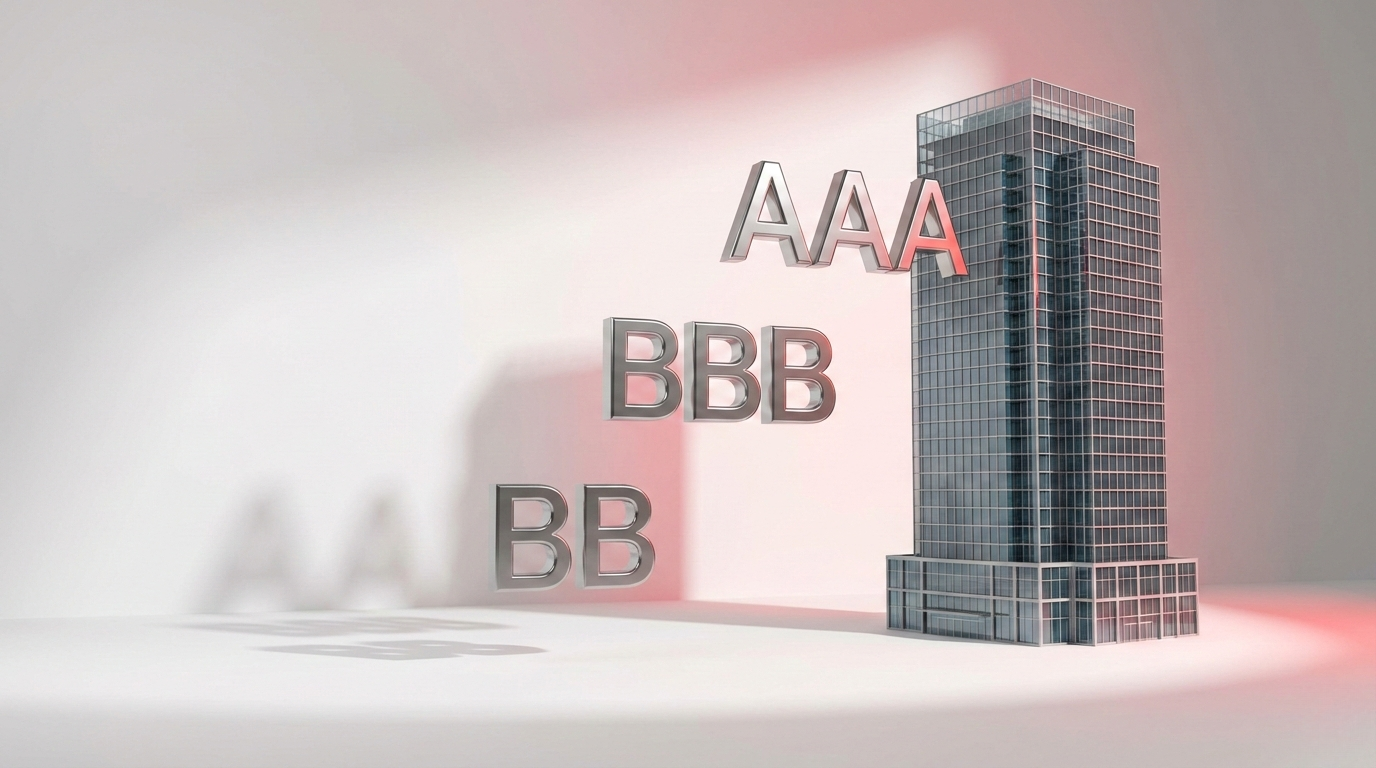
Understanding what these ratings actually represent, and why even a single-notch movement can have an outsized impact, is critical for companies that rely on external funding.
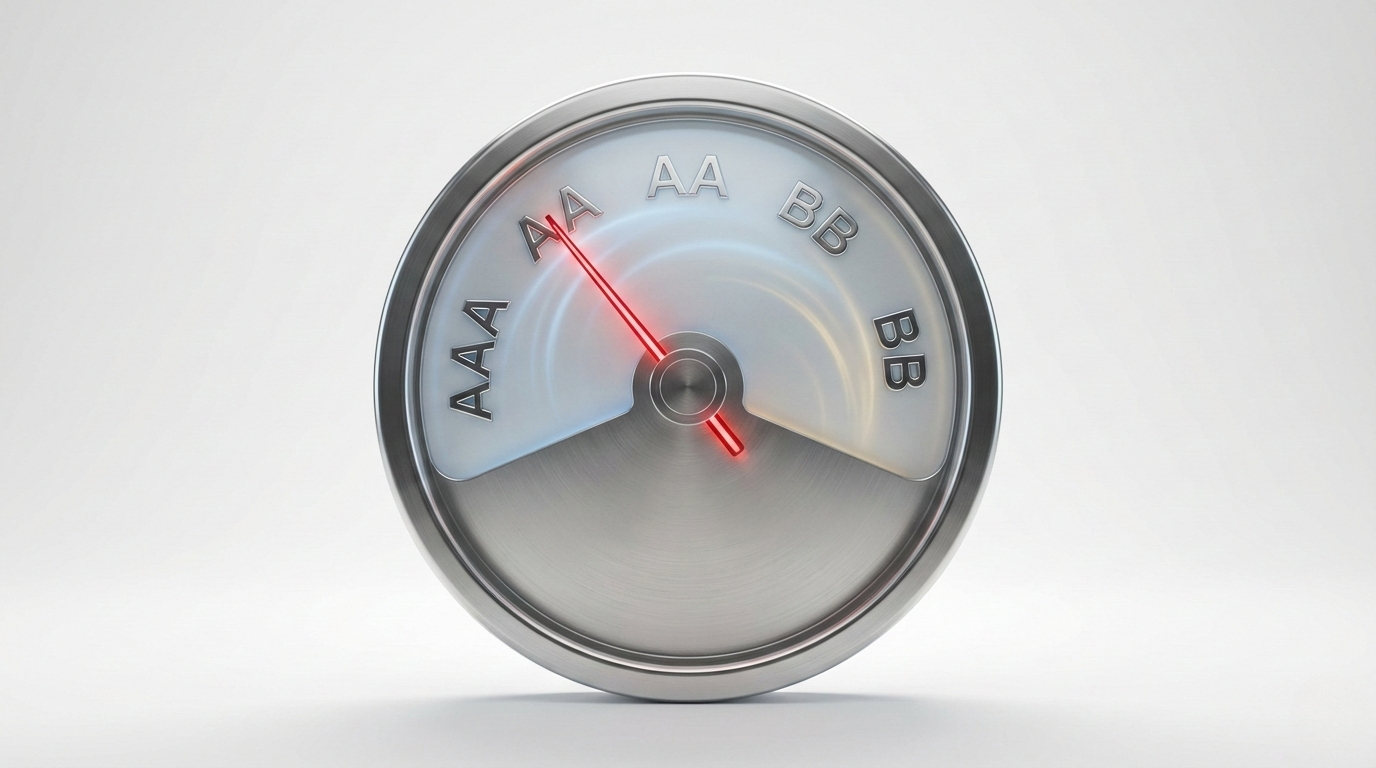
Understanding the Credit Rating Scale
At a broad level, credit ratings are classified into two categories:
Investment Grade
Typically ranging from AAA to BBB-, investment-grade ratings indicate a strong to adequate ability to meet financial obligations. Companies in this category are viewed as financially stable, with predictable cash flows and manageable risk profiles.
These ratings are generally preferred by banks, mutual funds, insurance companies, and other institutional investors due to their lower perceived credit risk.

High Yield (Speculative Grade)
Ratings of BB+ and below fall into the high-yield or speculative category. This does not imply that the company is weak or distressed, but it does suggest higher sensitivity to business cycles, market volatility, or financial leverage.
Lenders and investors demand higher compensation for this additional risk, which often translates into higher borrowing costs and tighter terms.

The Thin Line Between BBB and BB
One of the most critical yet misunderstood transitions in the rating scale is the move from BBB to BB.
While it appears minor, this shift represents a move from investment grade to speculative grade, a transition often referred to as a credit cliff.
Many institutional investors are restricted by internal policies from holding non–investment-grade instruments. As a result, a downgrade across this threshold can immediately affect demand, pricing, and access to capital, even if the company’s financial performance remains largely unchanged.

Real Implications Beyond the Rating Symbol
Cost of Borrowing
A downgrade, even by one notch, can result in:
• Higher interest rates
• Increased processing or guarantee fees
• Additional collateral requirements
Over the life of a loan, these changes can materially impact profitability and cash flows.

Loan Covenants and Flexibility
As credit risk increases, lenders often introduce:
• Stricter financial covenants
• More frequent monitoring
• Reduced operational flexibility
This can constrain strategic decisions such as expansion, acquisitions, or refinancing.

Market and Investor Perception
Credit ratings influence how stakeholders perceive risk. A downgrade may raise concerns about management effectiveness, industry exposure, or financial discipline, sometimes disproportionately to the actual change in fundamentals.
Perception, in credit markets, often shapes reality.

When One Notch Matters More Than It Looks
Not all rating movements carry equal weight.
A one-notch change within the same category may have limited consequences. However, a one-notch movement across a category boundary. particularly from investment grade to high yield, can significantly alter a company’s funding landscape.
This is why businesses operating close to rating thresholds must manage their credit profiles proactively.

What Companies Often Overlook
Many companies focus on obtaining a rating but underestimate the importance of:
• Maintaining financial buffers
• Managing outlook triggers
• Communicating qualitative strengths effectively
Credit ratings are dynamic. They reflect not only current performance, but also a company’s ability to withstand stress and uncertainty.
The Bigger Picture
Credit ratings are not merely symbols assigned by agencies. They influence:
• Access to capital
• Cost competitiveness
• Strategic flexibility
• Market credibility
Understanding how rating scales work enables leadership teams to move from reactive rating outcomes to deliberate credit strategy.

Final Thought
A credit rating does not just reflect where a company stands today. It signals how the market views its ability to navigate uncertainty tomorrow.
Understanding what lies behind the symbols makes all the difference.
