
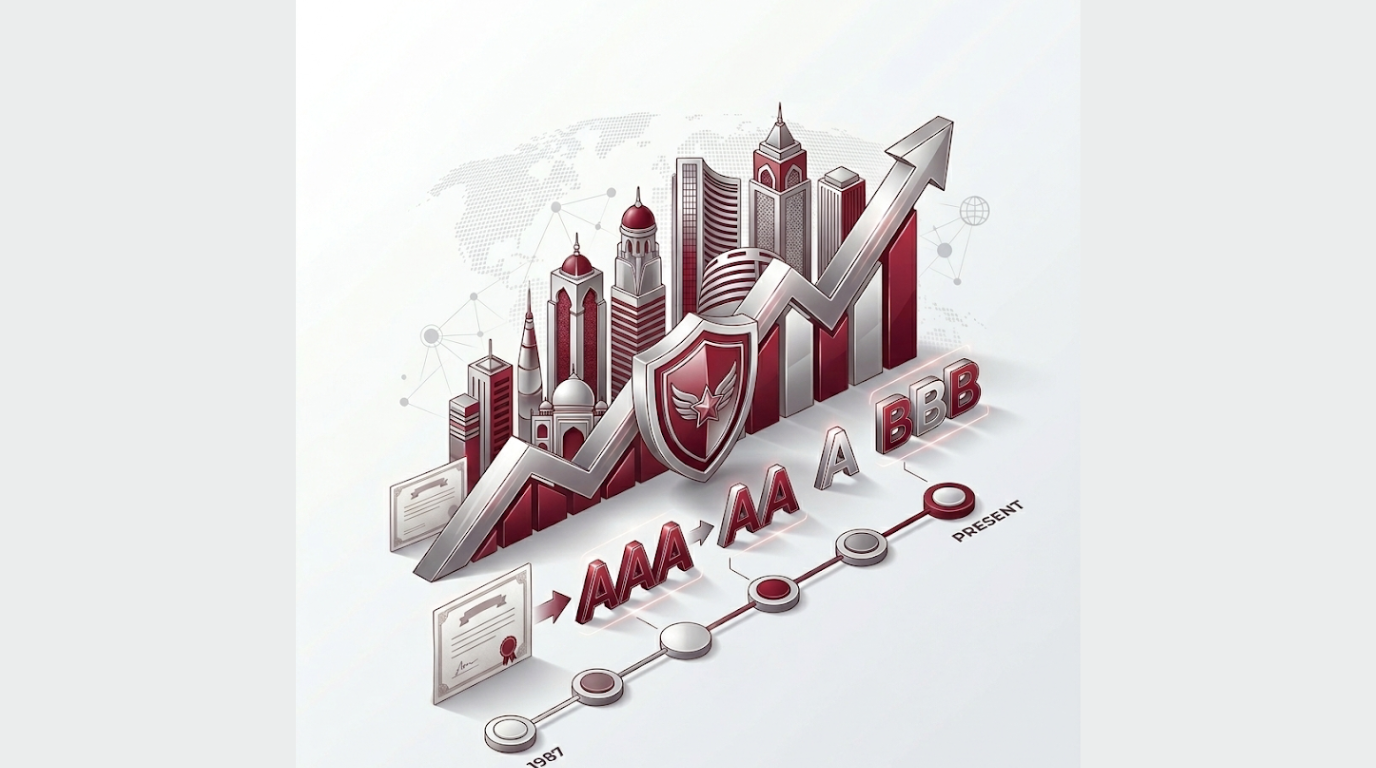
Introduction: The Shift from Banks to Bonds
For decades, India’s financial landscape was a traditional one, dominated by banks and public sector undertakings. During this era, the corporate bond market was underdeveloped, and investors lacked a professional, independent way to measure financial risk. However, the late 1980s marked a turning point that would eventually integrate India into the global financial community.
1. The Early Pioneers (1987 – 1994)
The journey of structured credit assessment in India began in 1987 with the establishment of CRISIL (Credit Rating Information Services of India Ltd.). Backed by major institutions like ICICI and UTI, CRISIL was India’s first step toward professional credit risk evaluation.
Soon after, other major players emerged to meet the growing market demand:
- ICRA (1991): Originally the Investment Information and Credit Rating Agency, it was launched as a joint venture with Moody’s.
- CARE Ratings (1993): Credit Analysis and Research Limited entered the market with the support of premier Indian financial institutions like HDFC Bank and IDBI.
2. The Era of Regulation (1999 – 2001)
As the number of agencies grew, the need for formal oversight became critical. In 1999, India’s market regulator, SEBI (Securities and Exchange Board of India), introduced the Credit Rating Agencies Regulations. This was a landmark milestone that established clear rules for registration, operational conduct, and public disclosures.
In 2001, SEBI further strengthened the ecosystem by mandating that any foreign agency—such as Moody’s, Fitch, or S&P—must set up a registered operation within India if they wished to rate Indian financial instruments.
3. Expansion and Specialization (2005 – 2015)
The market eventually matured to include agencies that focused on specific sectors, such as Small and Medium Enterprises (SMEs):
- Acuité Ratings (formerly SMERA): Founded in 2005 with the support of SIDBI, it initially focused on bridging the credit gap for SMEs.
- Brickwork Ratings (2007): A domestic player that expanded the diversity of the rating landscape.
- Infomerics Ratings (2015): One of the more recent entrants, increasing competition and specialized coverage.
4. Globalization and The “Big Three”
Today, the global rating giants have become deeply intertwined with Indian finance through majority ownership or significant stakes in domestic agencies:
- CRISIL is majority-owned by S&P Global Inc.
- ICRA is majority-owned by Moody’s Investors Service.
- India Ratings operates as a wholly-owned subsidiary of the Fitch Group.
5. Conclusion: Looking Toward a $5 Trillion Economy
As of 2024–25, India’s corporate bond market has expanded significantly, with outstanding bonds valued at over ₹15.6 lakh crore. Credit ratings are no longer just optional technical scores; they are the “report cards” that determine a company’s access to capital. As India moves toward the $5 trillion mark, these agencies remain the essential “trust builders” of the nation’s financial system.
