


Lack of Awareness About Rating Surveillance Obligations
By: admin
Articles
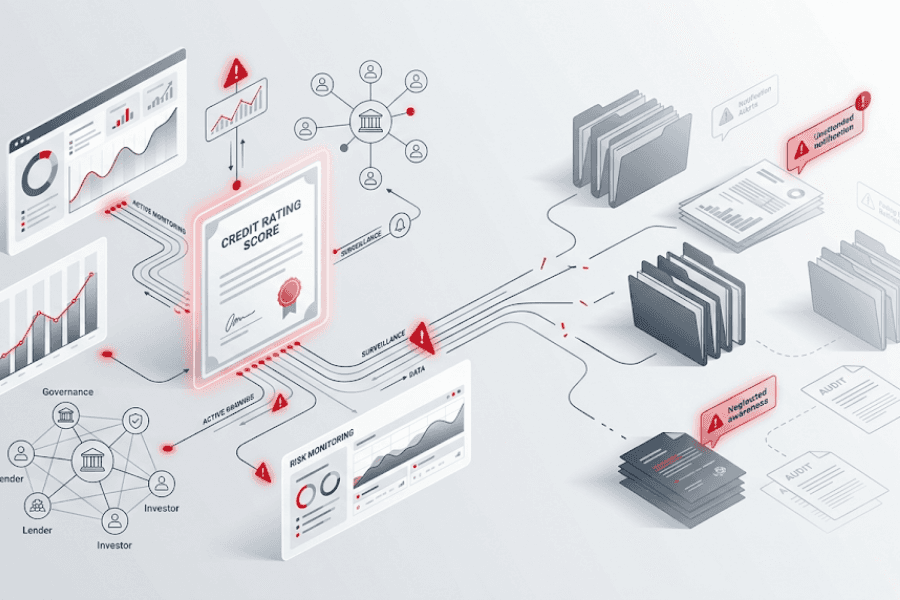
Lack of Awareness About Rating Surveillance Obligations
In credit markets, a credit rating is not a one-time verdict—it’s a living assessment. After a rating is assigned, the relationship between the issuer and the credit rating agency (CRA) enters a continuous phase known as rating surveillance. Yet, one of the most persistent gaps in practice is the lack of awareness about rating surveillance obligations—both among issuers and some market participants.
This knowledge gap leads to preventable delays in reviews, missed compliance milestones, investor uncertainty, and sometimes, reputational stress. Understanding what surveillance means, why it exists, and how to comply with it can dramatically improve transparency, market credibility, and issuer–analyst engagement.
What Is Rating Surveillance?
A credit rating is a forward-looking opinion on creditworthiness at a particular point in time. But financial conditions, macroeconomic variables, business strategies, and industry dynamics evolve. Therefore, a static credit opinion would soon become outdated unless updated continuously.
Rating surveillance is the structured and ongoing monitoring of a rated issuer’s financial profile, operating performance, governance environment, and external market conditions—which could affect creditworthiness. It includes:
Regular review of financial results
Monitoring repayment behaviour and debt servicing
Tracking significant business, regulatory, or ownership changes
Updating outlooks and rating levels as needed
In most regulatory systems, surveillance is an integral obligation that continues for the entire life of the rated entity or instrument—until maturity, repayment, withdrawal, or formal termination of the rating.
In India and many other jurisdictions, surveillance isn’t optional—CRAs are legally required to monitor ratings continuously and review them periodically. It ensures that rating opinions remain meaningful, accurate, and timely.
Why Surveillance Matters
1. Ratings Must Reflect Current Reality
A rating decision made at issuance is based on a set of financials, industry outlooks, and assumptions at that time. Without surveillance, ratings could drift away from reality as conditions change.
2. Investors Depend on Updated Information
Investors and lenders use ratings as a cornerstone of risk assessment. Outdated or stale ratings undermine market confidence and can lead to mispricing of risk.
3. Compliance and Transparency
Regulators require CRAs to share surveillance outcomes publicly—whether ratings are reaffirmed, downgraded, upgraded, or kept stable. This visibility reinforces trust and discipline in capital markets.
Core Surveillance Obligations of CRAs
Credit rating agencies typically have the following responsibilities once a rating is assigned:
Continuous Monitoring
Agencies must routinely monitor financial performance, industry developments, and material events affecting credit strength.
Periodic Reviews
Most frameworks require at least annual reviews based on updated audited results.
Event-Driven Reviews
Significant developments—such as defaults, material covenant breaches, acquisitions, or liquidity stress—should trigger prompt review.
Timely Public Disclosure
Updated rating opinions, outlook changes, or surveillance outcomes must be disseminated publicly without undue delay.
Issuers Must Cooperate
Surveillance depends on issuers providing timely, accurate, and complete information—including monthly or quarterly certifications of defaults or events.
Why Awareness Is Still Low
Despite the importance of surveillance, many issuers and stakeholders remain unaware or underprepared for their obligations:
1. Focus Only on Initial Rating
Most issuers concentrate on obtaining the rating, not on what happens afterward. Once the rating is published, surveillance obligations are often overlooked.
2. Misunderstanding of Agency Requirements
Issuers sometimes assume that surveillance is only occasional or that agencies will monitor information publicly available in financial statements—without issuer cooperation.
3. Internal Operational Gaps
Many finance teams don’t integrate surveillance timelines into compliance calendars, leading to delays in submitting necessary data.
4. Inconsistent Communication Practices
When issuers don’t have structured reporting workflows, they may miss deadlines for monthly default declarations, quarterly updates, or event notifications.
Consequences of Poor Surveillance Awareness
Delayed Reviews
If issuers fail to deliver required information promptly, rating agencies may postpone scheduled reviews. These delays are often disclosed publicly, creating uncertainty for investors and lenders.
Non-Cooperation Labels
Repeated delays may lead agencies to classify the issuer as “not cooperating”, which can negatively affect market perception—even if fundamentals haven’t deteriorated.
Outdated Ratings
Without ongoing information flow, ratings may not reflect emerging risks or opportunities, potentially misleading stakeholders.
Regulatory Scrutiny
CRAs are obligated to enforce surveillance rigorously. Issuers that lag in cooperation may attract regulatory scrutiny or corrective requirements.
Practical Examples of Surveillance Gaps
A company that misses submitting interim financials on time, leading to delayed reviews.
An issuer that fails to notify the CRA of a material acquisition or debt restructuring event promptly.
A situation where monthly default declarations are skipped, causing confusion in assessments.
Businesses unaware that even secured or collateralised instruments require surveillance updates.
In each case, the gap was not financial strength—it was process discipline.
Best Practices to Close the Awareness Gap
1. Embed Surveillance in Compliance Calendars
Surveillance obligations should be part of the annual statutory and internal compliance schedule.
2. Appoint Dedicated Surveillance Owners
Assign finance or treasury team members clear responsibility for surveillance reporting.
3. Use Standard Templates and Tools
Structured data templates help ensure completeness and consistency in submissions.
4. Establish Clear Communication with Agencies
Regular calls and updates—especially when there’s no material change—help build trust and streamline reviews.
5. Educate Internal Stakeholders
Finance, audit, and legal teams should be aligned on both surveillance timelines and information requirements.
Why Surveillance Benefits Issuers Too
Proactive surveillance isn’t just a regulatory or compliance task—it can be a risk management tool:
Timely information flow reduces surprises for analysts.
Well-managed surveillance enhances transparency with investors and lenders.
Persistent engagement builds confidence and may support stronger outlooks.
Better internal reporting practices improve overall financial discipline.
In other words, good surveillance practices benefit both rating quality and corporate governance.
Conclusion
Rating surveillance is not a technical add-on. It is an essential phase of the entire credit rating lifecycle. The lack of awareness about surveillance obligations remains widespread—but it doesn’t have to be. With clarity, discipline, and structured workflows, issuers can fully comply with surveillance requirements, enhance rating stability, and maintain stronger market credibility.
Ratings are dynamic. Surveillance makes them relevant. Awareness makes them reliable.