


Credit Rating Strategies for Logistics Parks and Hospitality Units Near Noida International Airport
By: admin
Articles

Credit Rating Strategies for Logistics Parks and Hospitality Units Near Noida International Airport
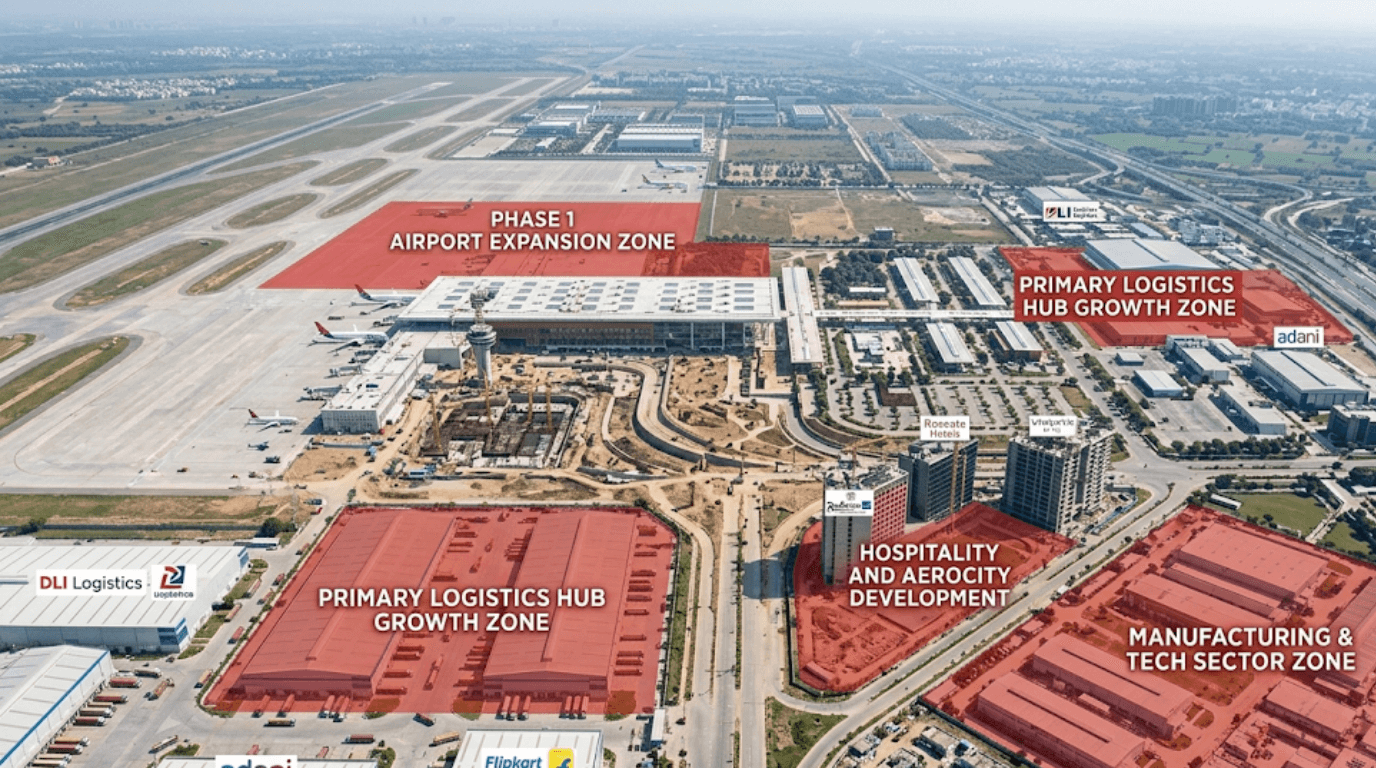
The development of Noida International Airport is rapidly transforming the economic landscape of Noida and surrounding regions.
For logistics parks and hospitality units, this is not just an infrastructure project. It is a once-in-a-decade opportunity to scale operations, attract institutional capital, and enhance asset value.

However, capitalizing on this opportunity requires more than location advantage.
It requires strong credit positioning.
Why Credit Rating Matters in Airport-Led Development
Infrastructure-led growth attracts:
Large-scale investments
Institutional funding
Long-term financing structures
For logistics and hospitality players, credit rating becomes critical because it directly impacts:
Access to funding
Cost of capital
Project viability
Investor confidence
In emerging corridors, where future potential is high but current performance may still be evolving, credit rating plays a decisive role in bridging this gap.
Unique Challenges for Logistics and Hospitality Projects
Projects near Noida International Airport face a dual challenge.
1. Future Potential vs Current Financials
Strong long-term prospects but limited operating history
2. High Capital Intensity
Significant upfront investment in land, construction, and infrastructure
3. Demand Stabilization Period
Time required to reach optimal occupancy or utilization
4. Cash Flow Volatility
Initial years may have uneven revenue streams
These factors can impact how rating agencies evaluate risk.
How Rating Agencies Evaluate Such Projects
Credit rating agencies typically focus on:
Project Viability
Location advantage, connectivity, and demand outlook
Sponsor Strength
Financial capability and track record of promoters
Revenue Visibility
Pre-leasing in logistics parks or advance bookings in hospitality
Funding Structure
Debt-equity mix and repayment capability
Execution Capability
Ability to complete projects on time and within budget
A well-structured project with strong sponsorship can still achieve a favorable rating despite early-stage risks.
Strategies to Strengthen Credit Rating
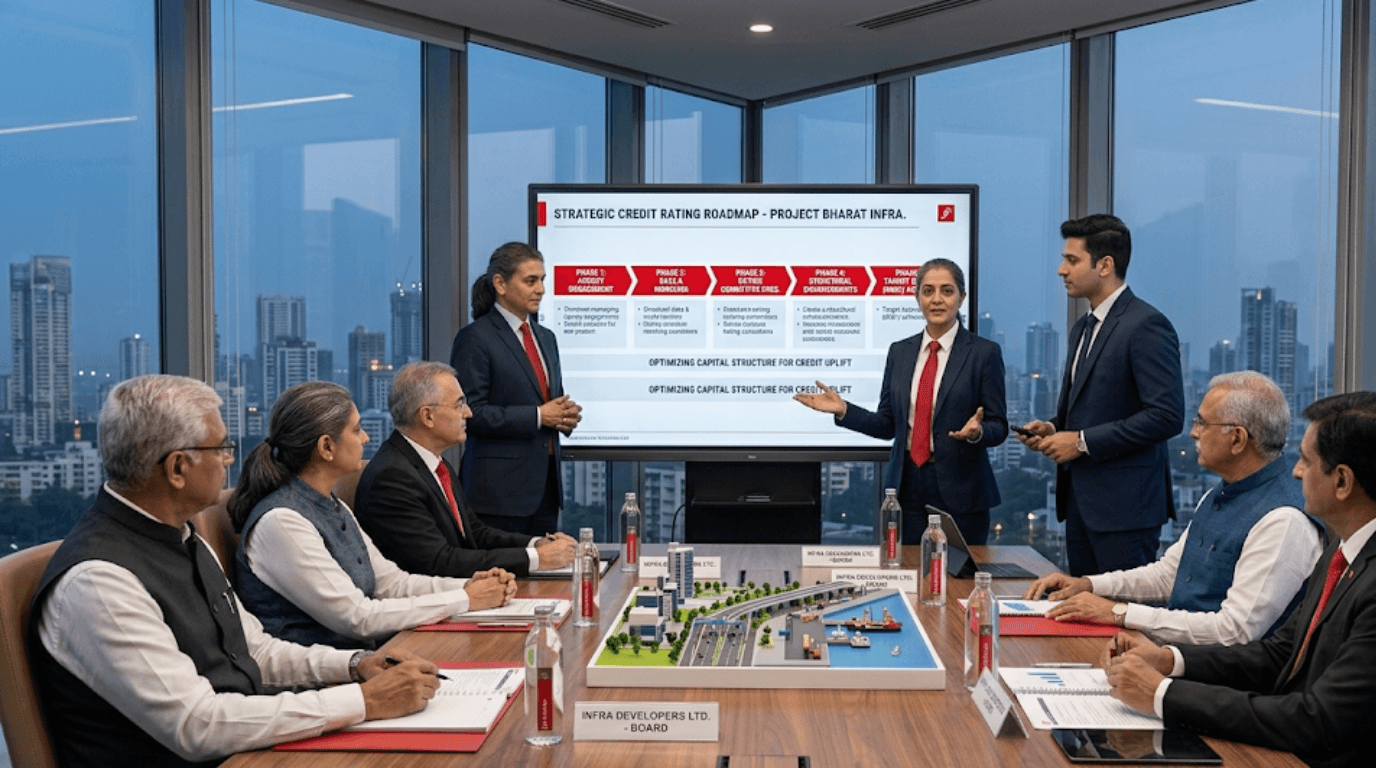
To optimize credit rating outcomes, developers and operators should focus on:
1. Strengthening Sponsor Profile
Demonstrating financial backing, experience, and commitment
2. Securing Pre-Leasing or Tie-Ups
For logistics parks, long-term leases with credible tenants
For hospitality units, brand tie-ups and advance bookings
3. Structuring Debt Efficiently
Maintaining a balanced debt-equity ratio and manageable repayment schedules
4. Enhancing Cash Flow Visibility
Creating predictable revenue streams through structured contracts
5. Improving Transparency and Reporting
Providing clear financial projections and regular updates
The Role of Location: Advantage, Not Guarantee
While proximity to Noida International Airport is a strong advantage, it is not sufficient on its own.
Rating agencies differentiate between:
Potential-driven projects
Execution-ready, cash-flow-backed projects
Only the latter category attracts better ratings and lower-cost funding.
From Rating to Funding Efficiency
A stronger credit rating enables:
Lower interest rates on project financing
Higher loan eligibility
Better negotiation power with lenders
Access to institutional investors
For large infrastructure-linked projects, even a small improvement in rating can significantly impact overall project returns.
Common Mistakes to Avoid
Developers often face challenges due to:
Over-reliance on future projections without backing
Weak financial structuring
Lack of clarity in revenue models
Poor communication of project strengths
In many cases, the issue is not the project itself, but how it is presented and structured.
The Strategic Insight Most Developers Miss
In infrastructure-driven markets:
Potential attracts attention.
Execution builds confidence.
But credit rating determines funding efficiency.
Two similar projects near Noida International Airport can receive very different funding terms based on how well they are structured and positioned.
Conclusion: Turning Opportunity into Bankable Value
The emergence of Noida International Airport presents a significant growth opportunity for logistics and hospitality sectors.
However, unlocking this opportunity requires:
Strategic planning
Financial discipline
Strong credit positioning
A well-managed credit rating can transform a promising project into a bankable and scalable asset.
Why Companies Choose FinMen Advisors for Credit Rating Advisory
For infrastructure-linked projects, achieving the right credit rating requires more than strong fundamentals. It requires the ability to align project potential with lender expectations.
FinMen Advisors brings a structured and experience-driven approach to this process.
With over 15 years of specialized expertise, the firm understands how large projects in logistics and hospitality are evaluated by rating agencies and lenders.
Having executed more than 6,500 assignments, it has strong experience in structuring and positioning projects for optimal rating outcomes.
Its pan-India presence and relationships with financial institutions provide a strategic advantage during funding and rating discussions.
The Prepare, Position, Protect approach ensures that projects are not only financially viable but also effectively presented.
A no-cost initial assessment helps developers identify gaps in their credit profile and quantify potential funding benefits.
Each engagement is customized to align with project stage, sector dynamics, and long-term growth strategy.
The Bottom Line
For logistics parks and hospitality units, credit rating is not just a formality.
It is a strategic tool that determines how efficiently capital is raised and deployed.
With the right approach and advisory support, developers can optimize funding, reduce cost of capital, and fully capitalize on the opportunities created by this major infrastructure development.