


How Internal Systems and Compliance Affect IPO Readiness
By: admin
Articles
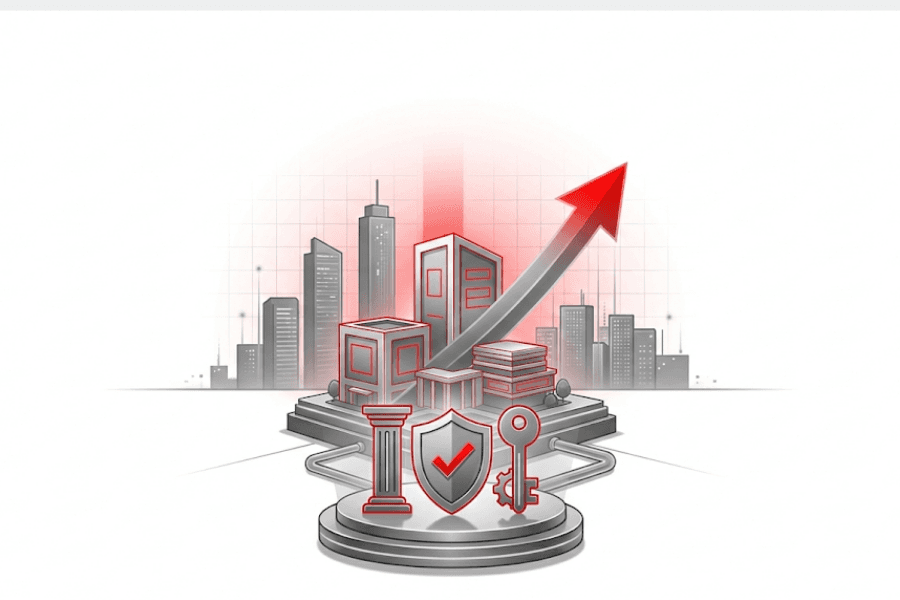
How Internal Systems and Compliance Affect IPO Readiness
Launching an Initial Public Offering (IPO) is one of the most significant milestones in a company’s growth journey. It marks the transition from a privately owned entity to a publicly listed company, opening doors to capital markets, enhanced visibility, and long-term expansion opportunities.
However, before a company even approaches the IPO stage, it must pass through one critical gate — IPO readiness, which is largely determined by the strength of its internal systems and compliance framework.
Robust systems and disciplined compliance practices not only help meet regulatory expectations but also inspire investor confidence and ensure a smoother transition into the public domain.
1. Understanding IPO Readiness
IPO readiness is not just about financial performance — it’s about whether the organization is operationally, structurally, and culturally equipped to function as a listed company.
Regulators, merchant bankers, and investors closely assess how efficiently a company manages its finances, internal controls, governance structures, and compliance obligations. Weaknesses in these areas can delay or even derail the IPO process.
2. Importance of Internal Systems in IPO Preparation
A company’s internal systems form the foundation upon which IPO preparation stands. This includes accounting systems, ERP frameworks, reporting processes, and risk management tools.
Key aspects include:
a. Financial Reporting Systems:
Accurate, consistent, and auditable financial reporting is essential. Companies must ensure that their accounting systems comply with Indian Accounting Standards (Ind-AS) and can generate timely, reliable financial statements.
b. Internal Controls and Audit Mechanisms:
Investors and regulators expect robust internal controls to prevent errors, fraud, or misstatements. Regular internal audits, segregation of duties, and process documentation demonstrate that the company is operating with discipline and accountability.
c. Technology and Data Management:
Modern IPO-ready organizations rely on automated ERP systems to handle financial transactions, inventory management, and MIS reporting. Efficient technology systems ensure transparency, reduce manual errors, and improve operational efficiency — all of which are key during due diligence.
3. The Role of Compliance in IPO Readiness
Compliance plays a central role in an IPO’s success. Regulatory bodies like SEBI, the Stock Exchanges (NSE/BSE), and ROC have detailed frameworks governing disclosures, corporate governance, and eligibility.
Failure to meet these standards can delay approvals or even lead to withdrawal of the IPO application.
Key compliance areas include:
a. Legal and Statutory Compliance:
Companies must be fully compliant with laws related to taxation, corporate affairs, labor, and industry-specific regulations. Pending litigations or unresolved regulatory issues can raise red flags for investors and regulators.
b. Corporate Governance Framework:
Public investors demand high governance standards. This means:
Appointing independent directors on the board
Forming mandatory committees (Audit, Nomination & Remuneration, CSR, etc.)
Establishing transparent decision-making and disclosure mechanisms
c. Disclosure and Transparency:
From the Draft Red Herring Prospectus (DRHP) to post-listing communications, every statement must be factually correct and adequately supported by evidence. Misrepresentation or omission can lead to regulatory scrutiny and loss of credibility.
4. How Weak Systems and Compliance Impact IPO Outcomes
When internal systems or compliance mechanisms are underdeveloped, the risks multiply. Some of the most common consequences include:
Delays in IPO approval due to incomplete or inconsistent documentation
Adverse due diligence findings that can hurt valuation or investor confidence
Increased costs and time overruns during the preparation stage
Post-listing challenges, including regulatory penalties or reputational damage
Simply put, an IPO is not just a financial event but a test of an organization’s internal maturity and regulatory discipline.
5. Building Strong Foundations for IPO Success
To ensure IPO readiness, companies must take a structured approach:
a. Early Assessment:
Conduct an internal diagnostic at least 12–18 months before the IPO to identify compliance gaps and system inefficiencies.
b. Strengthen Processes:
Implement or upgrade ERP systems, establish control frameworks, and standardize documentation practices.
c. Engage Experts:
Partner with financial advisors, auditors, and legal consultants who specialize in IPOs to align with best practices and regulatory standards.
d. Continuous Monitoring:
Regularly review governance, compliance, and risk policies to ensure that improvements are sustained even after listing.
6. Beyond Compliance: Building Investor Trust
While compliance ensures legal eligibility, strong internal systems build credibility. Investors value companies that exhibit operational transparency, timely financial reporting, and proactive governance.
A company that demonstrates maturity in its systems and compliance culture sends a powerful signal — that it is not only ready for the IPO but also for the long-term responsibilities of being a public entity.
Conclusion
IPO readiness is a comprehensive process that extends far beyond financial performance. It reflects a company’s ability to manage growth responsibly, operate transparently, and comply with stringent regulatory norms.
Strong internal systems and a well-structured compliance framework are not just prerequisites for going public — they are the backbone of sustained success in the capital markets.
For any business aspiring to list, the journey toward IPO readiness begins with building internal strength, ensuring compliance discipline, and nurturing a governance culture that inspires investor confidence.