


Financing the OSAT and PCB Surge: Why Bangalore’s Chip-Assembly Units Need Project-Specific Credit Ratings
By: admin
Articles

Financing the OSAT and PCB Surge: Why Bangalore’s Chip-Assembly Units Need Project-Specific Credit Ratings
India’s semiconductor push is gaining momentum, and Bangalore is emerging as a critical hub for OSAT (Outsourced Semiconductor Assembly and Test) and PCB (Printed Circuit Board) manufacturing.
With strong policy support, rising domestic demand, and global supply chain realignment, chip-assembly units are entering a high-investment, high-growth phase.
However, scaling in this sector is capital-intensive and technologically demanding.
This makes one factor increasingly important:
Access to structured, low-cost, and project-aligned financing.
And that is where project-specific credit ratings are becoming essential.
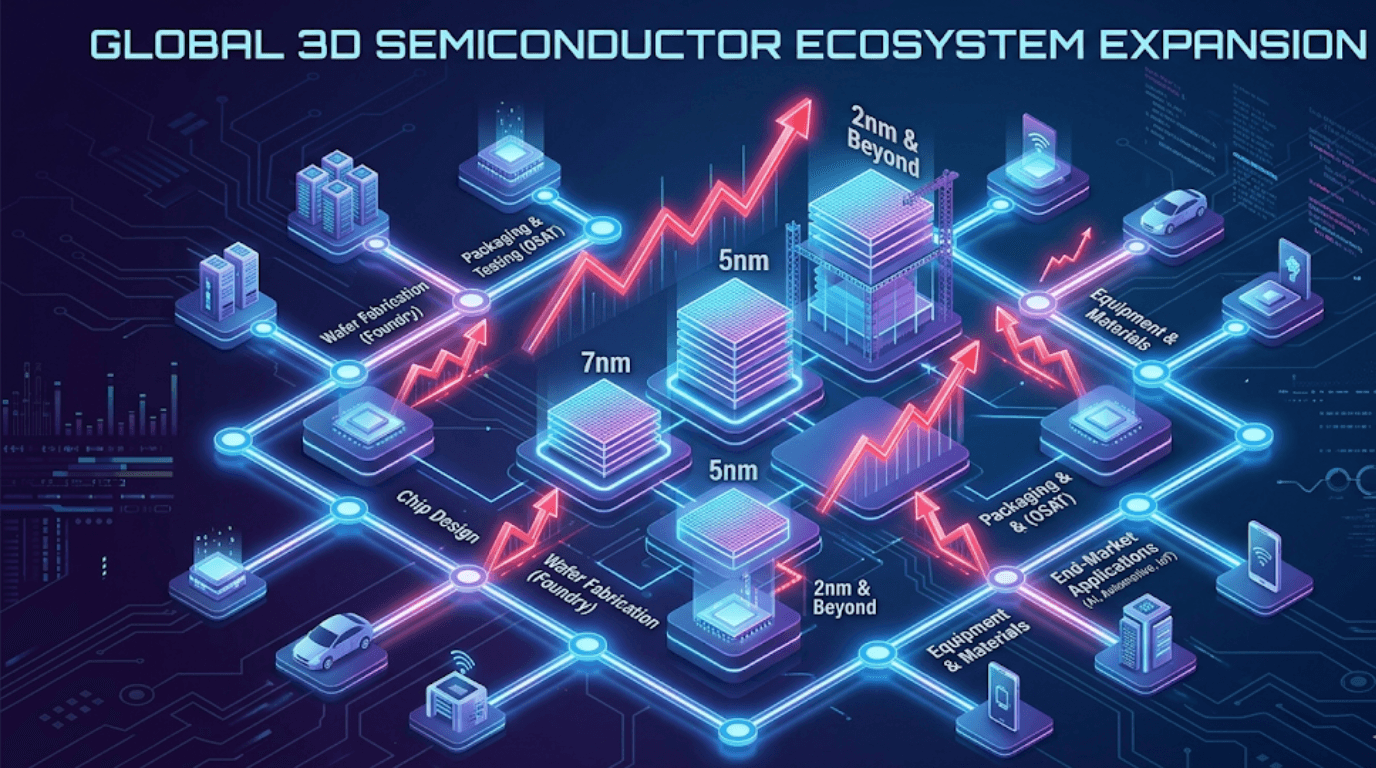
The OSAT and PCB Opportunity in India
The semiconductor ecosystem in Bangalore is expanding rapidly due to:
Government incentives and policy support
Increasing electronics manufacturing demand
Global diversification away from concentrated supply chains
Growth in automotive, telecom, and consumer electronics sectors
OSAT and PCB units are at the heart of this ecosystem, enabling:
Chip packaging and testing
Circuit integration
Supply chain localization

Why Financing is a Challenge in This Sector
Despite strong growth potential, OSAT and PCB projects face:
High Capital Requirements
Significant investment in cleanrooms, machinery, and technology
Long Gestation Periods
Time required to achieve optimal capacity utilization
Technology Risk
Rapid evolution of semiconductor processes
Revenue Ramp-Up Uncertainty
Gradual scaling of orders and contracts
These factors make lenders cautious, especially when evaluating projects based only on the company’s overall financials.
What is a Project-Specific Credit Rating
A project-specific credit rating evaluates the financial viability and risk profile of an individual project, independent of the parent company’s balance sheet.
It focuses on:
Project cash flows
Capex structure
Revenue visibility
Execution capability
Risk mitigation measures
This allows lenders to assess project-level risk with greater clarity.
Why Project Ratings Are Critical for OSAT and PCB Units
In sectors like semiconductors, where projects are:
Large
Capital-intensive
Technologically complex
Lenders prefer:
Ring-fenced evaluation
Clear visibility of cash flows
Structured financing tied to project performance
Project-specific ratings enable this level of precision.
How Project Ratings Improve Financing Outcomes
A strong project rating can unlock:
Lower Cost of Capital
Reduced interest rates based on project viability
Higher Funding Eligibility
Ability to raise larger amounts of debt
Access to Institutional Investors
Participation from private equity, debt funds, and global investors
Flexible Financing Structures
Customized repayment aligned with project cash flows
Why This Matters More in Bangalore
As India’s technology capital, Bangalore attracts:
Advanced manufacturing investments
Global semiconductor players
High-value supply chain participants
Competition for capital is intense.
Projects that are well-structured and clearly rated stand out to lenders and investors.
What Rating Agencies Evaluate in OSAT and PCB Projects
Project-specific ratings typically assess:
Technology and Infrastructure
Quality of equipment and production capabilities
Execution Capability
Track record of timely project completion
Customer Tie-Ups
Contracts with OEMs or global clients
Financial Structuring
Debt-equity mix and repayment capacity
Risk Mitigation
Backup plans for technology and demand fluctuations
The Strategic Insight Most Promoters Miss
Strong promoters do not automatically guarantee strong project ratings.
Two projects by the same company can receive different ratings based on:
Execution readiness
Cash flow structure
Risk management
In capital-intensive sectors, the project must stand on its own merit.

Strategic Preparation for Better Ratings
To secure favorable project ratings, companies should focus on:
Strengthening Project Structuring
Aligning capex, funding, and cash flows
Securing Customer Commitments
Long-term contracts or supply agreements
Enhancing Transparency
Detailed project-level financial reporting
Mitigating Technology Risks
Partnering with established technology providers
Building a Strong Narrative
Clearly communicating project strengths and scalability
Challenges in Adopting Project-Level Evaluation
Companies often face:
Lack of project-level financial segregation
Inadequate documentation
Limited experience with structured financing
Over-reliance on corporate credit profile
Without proper preparation, accessing project-specific funding can be difficult.
Conclusion: From Potential to Bankability
The OSAT and PCB surge in Bangalore presents a transformative opportunity.
However, unlocking this opportunity requires:
Strategic financial planning
Efficient capital structuring
Clear project-level visibility
Project-specific credit ratings convert technological potential into bankable financial strength.
Why Companies Choose FinMen Advisors for Credit Rating Advisory
For semiconductor and electronics projects, achieving the right credit rating requires more than strong fundamentals. It requires the ability to structure, position, and present projects effectively to lenders and rating agencies.
FinMen Advisors brings a structured and experience-driven approach to project-level credit rating advisory.
With over 15 years of specialized expertise, the firm understands how capital-intensive and technology-driven projects are evaluated.
Having executed more than 6,500 assignments, it has strong experience in structuring projects for optimal rating outcomes.
Its pan-India presence and relationships with financial institutions provide a strategic advantage during funding discussions.
The Prepare, Position, Protect approach ensures that projects are not only financially viable but also strategically presented.
A no-cost initial assessment helps companies identify gaps in project structure and quantify potential funding benefits.
Each engagement is customized to align with project scale, technology requirements, and long-term growth strategy.
The Bottom Line
For Bangalore’s chip-assembly units, financing is not just about raising capital.
It is about raising the right capital at the right cost.
Project-specific credit ratings are becoming a key enabler in this journey, helping companies secure funding, manage risks, and scale efficiently in a rapidly evolving semiconductor ecosystem.