


Credit Ratings in the Logistics Sector
By: admin
Articles
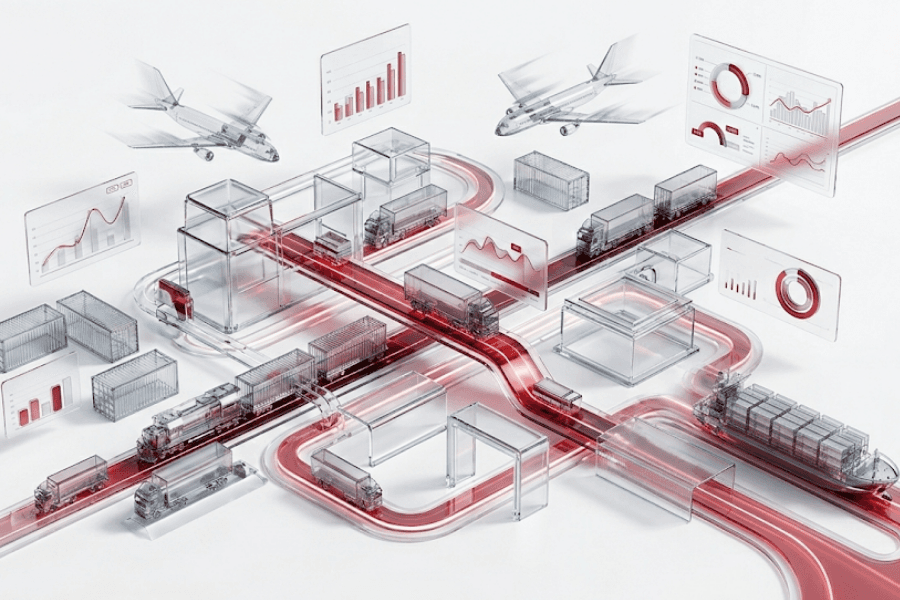
Credit Ratings in the Logistics Sector
A Comprehensive Analysis of Financial Strength, Operational Efficiency, and Industry Risk
The logistics sector is the backbone of trade and commerce. It ensures the movement of goods across cities, states, and countries through road, rail, air, and sea networks. As global supply chains become more complex and time-sensitive, logistics companies play a critical role in ensuring efficiency, reliability, and cost optimization.
Because the sector is asset-heavy, fuel-dependent, and highly competitive, credit ratings become an important measure of financial stability and operational discipline. A credit rating in logistics is not just about repayment capacity—it reflects fleet efficiency, cost management, contract stability, fuel risk exposure, and cash flow consistency.
This article provides a detailed breakdown of how credit ratings work in the logistics sector, the key influencing factors, challenges faced by companies, and strategies to improve creditworthiness.
1. Why Credit Ratings Matter in the Logistics Sector
Logistics companies operate in a low-margin, high-volume environment. Access to credit and cost efficiency are essential for survival.
1.1 Access to Working Capital
Logistics businesses require continuous funding for:
Fuel purchases
Fleet maintenance
Driver salaries
Toll and route expenses
Warehousing operations
Banks and NBFCs use credit ratings to determine:
Working capital limits
Fleet financing eligibility
Cash credit approvals
A stronger rating improves liquidity availability, which is crucial in this sector.
1.2 Fleet Expansion and Asset Financing
Logistics companies frequently invest in:
Trucks and trailers
Containers
Warehousing infrastructure
Cold chain equipment
Credit ratings influence:
Vehicle loan approvals
Interest rates
Lease arrangements
1.3 Contract Acquisition and Client Trust
Large corporate clients prefer logistics partners with:
Strong financial stability
Reliable execution capability
Low default risk
A strong credit rating improves chances of securing long-term contracts.
1.4 Fuel and Supplier Credit Terms
Fuel is one of the largest cost components. A strong credit profile helps companies negotiate:
Credit periods with fuel suppliers
Better pricing agreements
Bulk purchase discounts
2. Structure of the Logistics Industry and Risk Profile
The logistics sector includes multiple sub-segments, each with unique risk characteristics.
2.1 Road Transport
Most common segment, involving:
Trucking services
Full truck load (FTL)
Less-than-truckload (LTL)
Characteristics:
Highly competitive
Fragmented market
Fuel price sensitive
2.2 Rail Logistics
Includes:
Freight movement via railways
Container transportation
Characteristics:
Cost-efficient
Limited flexibility
Infrastructure dependency
2.3 Air Cargo Logistics
Used for:
High-value goods
Time-sensitive shipments
Characteristics:
High cost
Global exposure
Strong demand sensitivity
2.4 Maritime Logistics
Includes:
Shipping lines
Port operations
Container handling
Characteristics:
Global trade dependent
Long cycles
High capital requirements
2.5 Warehousing and Supply Chain Management
Includes:
Storage facilities
Inventory management
Distribution centers
Characteristics:
Fixed asset-heavy
Long-term contracts
Technology-driven growth
3. Key Factors in Credit Rating of Logistics Companies
Credit rating agencies such as CRISIL, ICRA, and CARE Ratings assess logistics companies based on financial, operational, and industry-specific parameters.
3.1 Financial Performance
Revenue Stability
Agencies assess:
Contract-based revenue visibility
Client diversification
Seasonal fluctuations
Long-term contracts improve stability and rating strength.
Profitability Margins
Logistics operates on thin margins due to:
High fuel costs
Intense competition
Price sensitivity
Key metrics include:
EBITDA margin
Net profit margin
Cost per kilometer efficiency
Leverage Position
Key indicators:
Debt-to-equity ratio
Fleet financing exposure
Interest coverage ratio
High leverage due to asset financing is common but closely monitored.
3.2 Working Capital Management
Logistics is highly working capital intensive due to:
Fuel advance payments
Maintenance costs
Credit-based client billing
Delayed receivables
Key metrics:
Debtor days
Cash conversion cycle
Inventory (in warehousing segment)
Efficient cash flow management is critical for maintaining strong ratings.
3.3 Fuel Price Volatility
Fuel is one of the biggest cost drivers. Price fluctuations impact:
Operating margins
Contract profitability
Cash flow predictability
Companies with fuel pass-through clauses in contracts are rated more favorably.
3.4 Fleet Utilization and Operational Efficiency
Credit agencies evaluate:
Vehicle utilization rates
Empty return trips (dead mileage)
Route optimization
Maintenance efficiency
Higher utilization improves profitability and credit strength.
3.5 Contract Quality and Client Concentration
Logistics companies are heavily dependent on contracts.
Rating factors include:
Long-term vs short-term contracts
Government vs private clients
Customer diversification
Payment terms
High client concentration increases risk exposure.
3.6 Asset Ownership vs Leasing Model
Companies are evaluated based on:
Owned fleet vs leased fleet
Asset depreciation structure
Capital expenditure intensity
Leasing reduces leverage but may increase operational costs.
3.7 Management Quality
Strong emphasis is placed on:
Route optimization capabilities
Cost control discipline
Contract negotiation skills
Financial management efficiency
Efficient management can significantly improve credit ratings even in low-margin environments.
4. Credit Rating Process in Logistics Companies
Step 1: Data Collection
Includes:
Financial statements
Fleet details
Contract agreements
Bank records
Step 2: Management Interaction
Focus areas:
Expansion plans
Cost management strategies
Fuel risk mitigation
Step 3: Operational Assessment
Evaluation of:
Fleet performance
Route efficiency
Client relationships
Step 4: Financial Analysis
Includes:
Ratio analysis
Cash flow review
Debt sustainability assessment
Step 5: Rating Committee Decision
Final rating is based on a holistic evaluation of financial and operational risk.
5. Common Credit Rating Challenges in Logistics Sector
5.1 Thin Profit Margins
Highly competitive market limits pricing power.
5.2 Fuel Price Fluctuations
Direct impact on operating costs and profitability.
5.3 High Working Capital Dependency
Delayed receivables create cash flow pressure.
5.4 Asset Heavy Financing
Fleet purchases increase debt burden.
5.5 Customer Payment Delays
Large corporate clients often negotiate longer credit cycles.
5.6 High Competition and Fragmentation
Small operators intensify price pressure.
6. How Logistics Companies Can Improve Credit Ratings
6.1 Improve Fleet Utilization
Reduce empty runs
Optimize routing
Increase trip efficiency
6.2 Strengthen Working Capital Discipline
Faster billing cycles
Strict receivable monitoring
Improved credit control
6.3 Reduce Fuel Cost Risk
Negotiate fuel escalation clauses
Use bulk procurement strategies
Implement fuel-efficient practices
6.4 Optimize Capital Structure
Balance owned vs leased fleet
Reduce short-term debt dependence
Improve long-term funding structure
6.5 Diversify Client Base
Avoid dependency on:
Single large customers
Single industry sectors
6.6 Invest in Technology
GPS tracking systems
Route optimization software
ERP-based logistics management
6.7 Improve Contract Quality
Focus on:
Long-term agreements
Stable corporate clients
Predictable cash flows
7. Impact of Credit Ratings on Logistics Businesses
7.1 Lower Cost of Borrowing
Improved ratings reduce:
Interest rates on vehicle loans
Working capital costs
7.2 Expansion Opportunities
Stronger ratings help secure:
Large logistics contracts
Corporate supply chain partnerships
7.3 Improved Supplier Relationships
Better terms with:
Fuel suppliers
Vehicle manufacturers
Maintenance vendors
7.4 Competitive Advantage
Financially strong companies can:
Bid aggressively
Scale faster
Enter new geographies
8. Future of Credit Ratings in Logistics Sector
8.1 Technology-Driven Logistics
Adoption of:
AI-based route optimization
Automated warehouses
Real-time tracking systems
will improve efficiency and credit strength.
8.2 ESG and Sustainability Focus
Future ratings will consider:
Carbon emissions per km
Green logistics practices
Electric vehicle adoption
8.3 E-commerce Driven Growth
Rapid growth in e-commerce logistics increases demand but also competition.
8.4 Data-Driven Credit Monitoring
Continuous monitoring of:
Fleet usage
Fuel consumption
Cash flows
will make ratings more dynamic and real-time.
Conclusion
Credit ratings in the logistics sector reflect the financial discipline, operational efficiency, and risk management capability of a company in a highly competitive and cost-sensitive environment.
Given the sector’s dependence on fuel, assets, and working capital, maintaining a strong credit rating requires continuous focus on cost control, fleet optimization, contract quality, and financial management.
Companies that invest in efficiency, technology, and disciplined financial practices are better positioned to achieve stronger credit ratings and long-term sustainable growth.
In logistics, a strong credit rating is not just a financial measure—it is a strategic advantage that drives expansion, credibility, and operational resilience.