


Credit Rating for Manufacturing Companies in Mumbai: Key Factors, Importance & Strategic Insights
By: admin
Articles

Credit Rating for Manufacturing Companies in Mumbai: Key Factors, Importance & Strategic Insights
Mumbai, being India’s financial capital, is home to a vast ecosystem of manufacturing companies ranging from SMEs to large industrial groups. For these businesses, credit rating is not just a compliance requirement—it is a strategic tool that directly impacts access to capital, cost of borrowing, and market credibility.

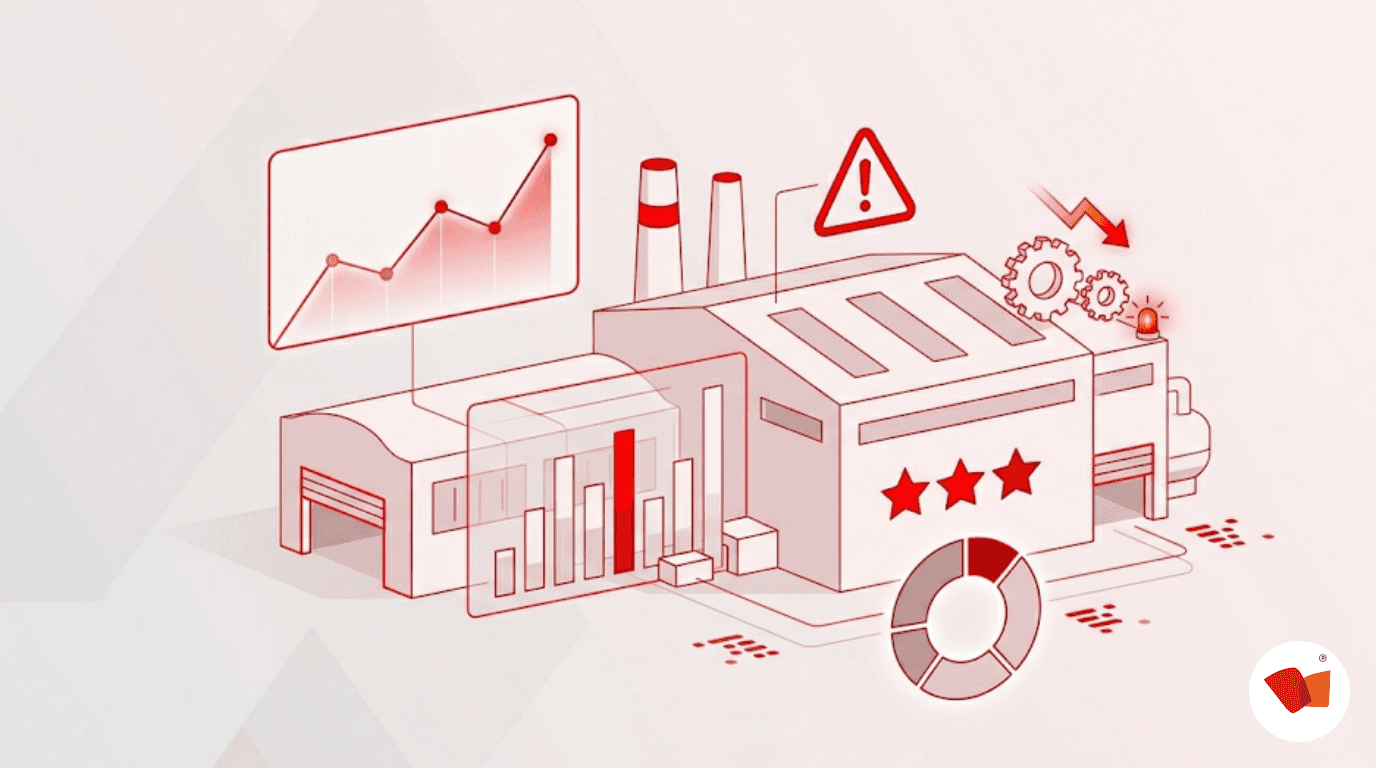
What is Credit Rating and Why It Matters?
A credit rating is an independent assessment of a company’s ability to meet its debt obligations on time. It reflects the financial strength, risk profile, and repayment capacity of an enterprise.
For manufacturing companies, this becomes even more critical due to:
High capital intensity
Working capital dependency
Exposure to commodity cycles
A strong rating improves loan eligibility and reduces borrowing costs, while a weak rating can restrict funding and increase financial strain.
Why Credit Rating is Crucial for Manufacturing Companies in Mumbai
Manufacturing businesses in Mumbai operate in a competitive and cost-sensitive environment. A credit rating plays a pivotal role in:
1. Access to Bank Finance and Working Capital
Manufacturing companies rely heavily on bank funding for raw materials, inventory, and operations. A better rating ensures:
Faster loan approvals
Higher credit limits
Lower interest rates
2. Fundraising & Expansion
Whether it’s capacity expansion, modernization, or diversification, credit rating influences:
Term loan approvals
Investor confidence
Debt structuring flexibility
3. Vendor & Supplier Confidence
Suppliers often assess a company’s financial stability before extending credit. A good rating enhances trust and negotiation power.
4. Competitive Positioning
In clusters like Mumbai, where multiple players compete, a superior rating differentiates businesses and strengthens market credibility.

Key Factors Affecting Credit Rating of Manufacturing Companies
Credit rating agencies evaluate manufacturing companies using a sector-specific framework, considering both quantitative and qualitative parameters.
1. Business Risk Profile
Industry outlook and cyclicality
Market position and competitive strength
Product diversification
Capacity utilization
Manufacturing companies are particularly sensitive to demand cycles and input cost volatility.
2. Financial Risk Profile
Revenue growth and profitability margins
Debt levels and gearing
Cash flow adequacy
Debt servicing capability
Strong and stable cash flows are critical for maintaining or improving ratings.
3. Working Capital Management
This is one of the most critical factors for manufacturing companies, including:
Inventory cycle
Receivable days
Payable management
Inefficient working capital cycles often lead to rating constraints.
4. Management & Governance
Promoter experience and track record
Financial discipline
Transparency and disclosures
Management quality plays a significant role, especially in mid-sized manufacturing companies.
5. Project & Expansion Risk
For companies undertaking capex:
Execution capability
Funding tie-ups
Expected returns
Delays or cost overruns can negatively impact credit ratings.

Sector-Specific Challenges in Mumbai
Manufacturing companies in Mumbai face unique challenges that influence their credit ratings:
High operating costs (land, labour, logistics)
Regulatory and compliance requirements
Dependence on imported raw materials
Infrastructure constraints in certain industrial zones
These factors must be effectively managed and communicated during the rating process.
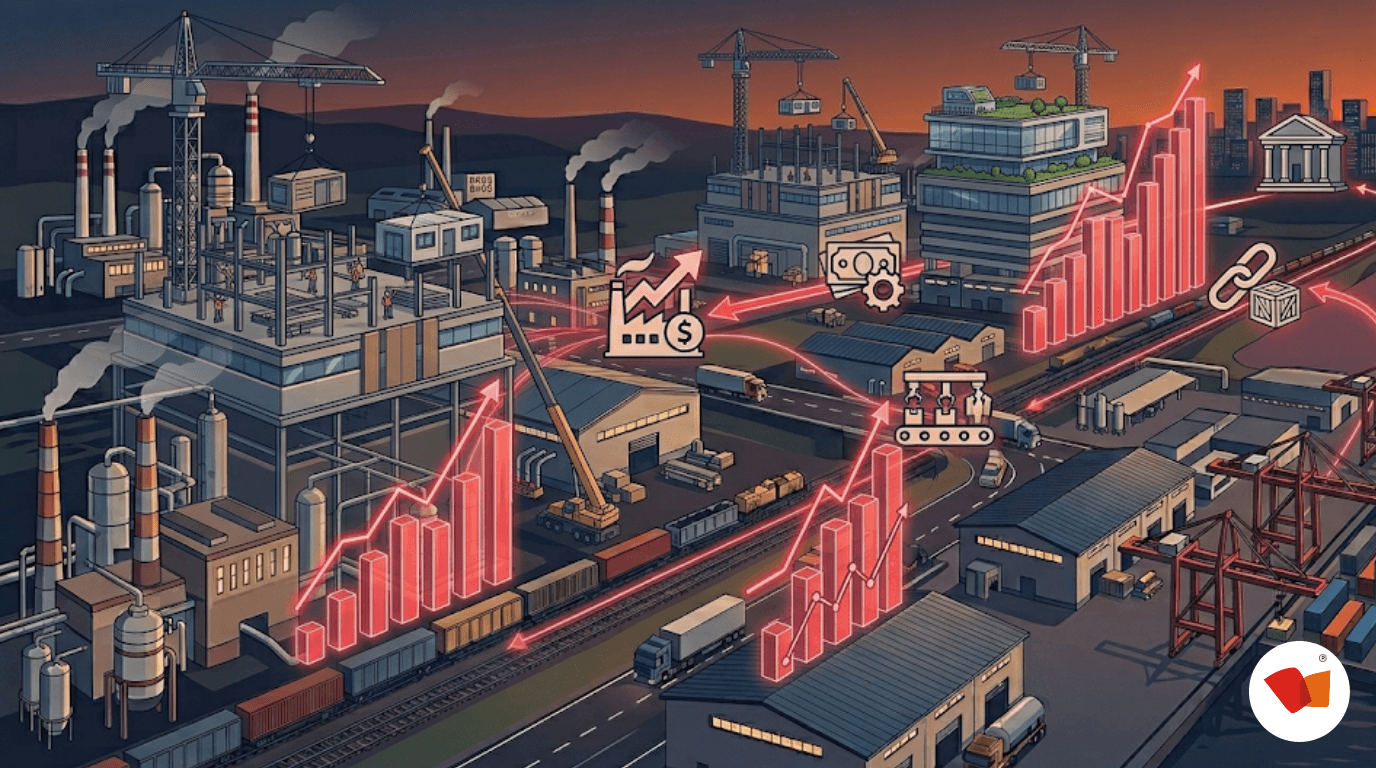
Common Reasons for Rating Constraints
Even fundamentally strong manufacturing companies often face rating challenges due to:
High leverage from continuous capex
Weak documentation of qualitative strengths
Volatile profitability due to raw material price fluctuations
Inefficient working capital cycles
Addressing these proactively can significantly improve rating outcomes.
Strategies to get Deserved Credit Rating
Manufacturing companies can adopt the following strategies:
1. Strengthen Financial Discipline
Reduce unnecessary debt
Improve profitability margins
Maintain consistent cash flow.
2. Optimize Working Capital
Reduce receivable cycles
Improve inventory turnover
3. Better Positioning Before Rating
Highlight business strengths effectively
Present structured financial data
Demonstrate risk mitigation strategies
4. Align Growth with Financial Stability
Plan capex with clear funding visibility
Avoid over-leveraging

Final Thoughts
For manufacturing companies in Mumbai, credit rating is no longer just an external evaluation, it is a reflection of strategic financial management.
Businesses that proactively manage their financial profile, communicate their strengths effectively, and adopt a structured approach to rating engagement are better positioned to:
Access cheaper capital
Scale sustainably
Build long-term credibility in the market
One-Line Insight
In Mumbai’s competitive manufacturing landscape, a strong credit rating is not earned by size alone but by strategy, structure, and financial discipline.